


Stock price analysis is my current obsession, and I’m scribbling this from my cluttered desk in my tiny apartment in Austin, Texas, where the AC is humming louder than my brain right now. The air smells like burnt coffee from the pot I forgot to turn off, and my laptop’s glow is the only light in this room. I’m no Wall Street hotshot—honestly, I’m just a guy who got sucked into the stock market rabbit hole during a particularly boring quarantine. But I’ve stumbled into some tricks for spotting stock trends before they blow up, and yeah, I’ve made some dumb mistakes along the way. Let me spill the tea on how I’ve learned to read those squiggly stock charts and maybe, just maybe, get ahead of the game.
Why Stock Price Analysis Feels Like Detective Work
Spotting stock trends is like playing detective with a magnifying glass, except your clues are candlestick patterns and your suspects are sketchy market rumors. I remember this one time I was up at 2 a.m., chugging Red Bull, staring at a chart for Tesla (TSLA) like it was gonna confess its secrets. I thought I’d cracked the code on a breakout pattern, but—spoiler alert—I misread a resistance level and lost $200 in a day. Embarrassing, right? But that screw-up taught me to slow down and look for specific signals, like volume spikes or moving average crossovers, which I’ll get into later. The point is, stock price analysis isn’t just numbers—it’s a vibe, a gut feeling mixed with data you gotta learn to trust.
My First Big Win with Trend Analysis
Okay, let’s talk about the time I actually got it right. Last summer, I was messing around with some biotech stocks—don’t judge, I was bored. That’s stock price analysis for you—part luck, part skill, all chaos.
Tools I Use to Spot Stock Market Trends
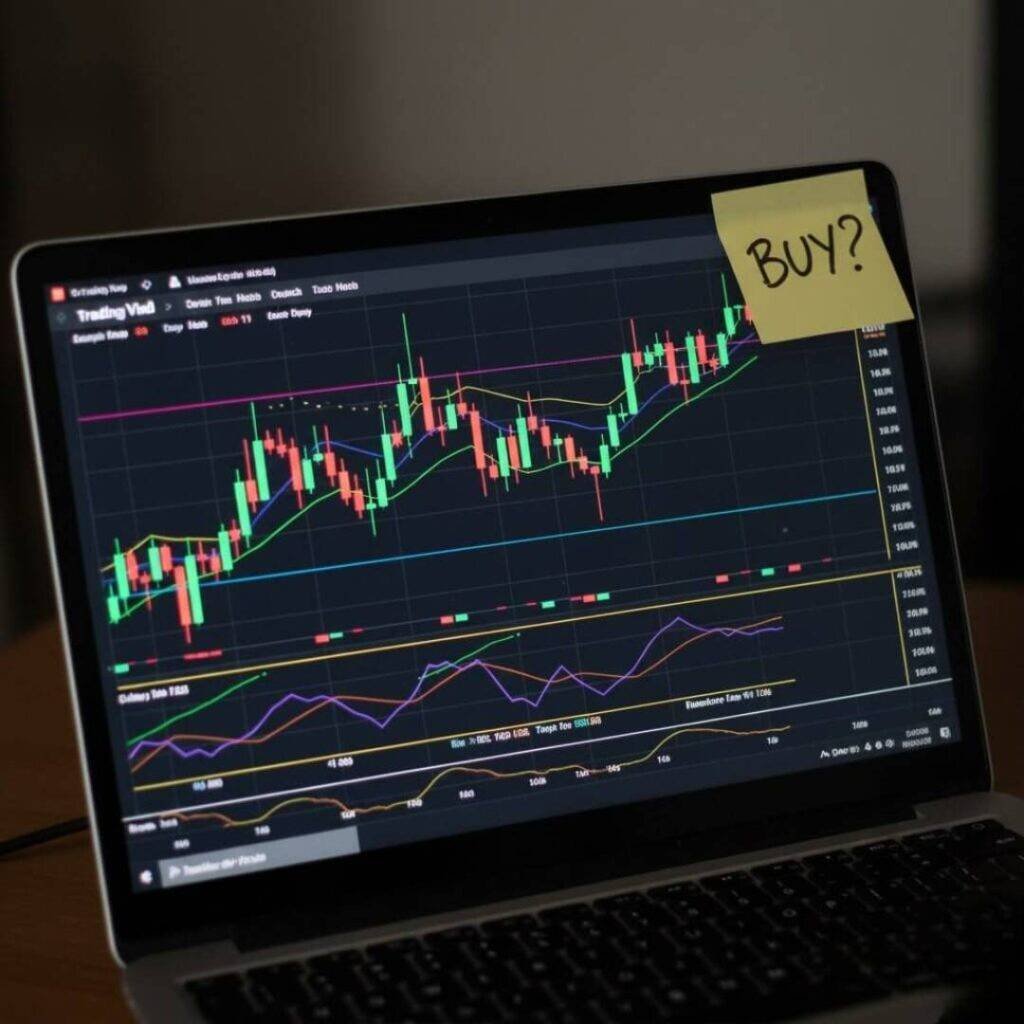
I’m not fancy with my setup—my desk is a mess of sticky notes, half-empty water bottles, and a mousepad that’s seen better days. But here’s what I lean on for stock price analysis, and trust me, you don’t need to be rich to use these:
- TradingView: This is my go-to for charts. It’s got all the indicators you need, like RSI, MACD, and Bollinger Bands. I spend hours tweaking settings, which is probably overkill, but it feels productive. Check it out at TradingView.
- Finviz: Great for screening stocks with weird volume spikes or unusual patterns. It’s like a cheat code for spotting trends early. Visit Finviz.
- X Platform: I lurk on X for real-time market chatter. People post wild theories, and sometimes they’re onto something. Just don’t fall for the pump-and-dump scams.
My Favorite Indicators for Spotting Trends
Here’s where I nerd out. These are the indicators I lean on for stock price analysis, and yeah, I’ve messed them up plenty:
- Moving Averages: I use the 50-day and 200-day to spot crossovers. Golden cross = bullish, death cross = run away. Simple but effective.
- Relative Strength Index (RSI): If it’s above 70, the stock might be overbought; below 30, maybe a bargain. I once ignored an overbought signal and got burned. Learn from my dumb ass.
- Volume: Big spikes in volume often mean something’s brewing. I check this on Finviz to confirm my hunches.
My Biggest Mistakes in Stock Trend Spotting
Alright, let’s get real—I’ve screwed up a lot. One time, I got cocky after that biotech win and thought I could spot trends in meme stocks. I jumped into a random stock trending on X, thinking it was the next GameStop. Spoiler: it wasn’t. I lost $300 and had to eat ramen for a week. The lesson? Don’t chase hype without doing your stock price analysis. Check the charts, read the news on sites like MarketWatch, and don’t trust random dudes on the internet. My current setup, with its coffee stains and sticky notes, reminds me to stay humble.

How I Learned to Trust My Gut (Kinda)
Here’s the thing—stock price analysis is part science, part gut. I used to ignore my instincts and just follow the data, but that Tesla loss taught me to listen to that little voice saying, “Yo, this chart looks sus.” Now, I blend my gut with hard data, like checking earnings reports on SEC.gov or scanning X for sentiment. It’s not foolproof—I mean, I’m writing this in a T-shirt with a pizza stain—but it’s helped me spot trends before my buddies do.
Tips for Spotting Stock Trends Like a (Flawed) Pro
Here’s my no-BS advice for stock price analysis, straight from my messy Austin apartment:
- Start Small: Don’t bet your rent money. I started with $100 trades to learn without crying myself to sleep.
- Learn One Indicator at a Time: I tried mastering RSI, MACD, and Bollinger Bands all at once and got a headache. Pick one, like moving averages, and practice.
- Stay Curious: I follow analysts on X and read Investopedia to learn new tricks. It’s like leveling up in a game, but with real money.
- Don’t Panic: Markets are emotional rollercoasters. I once sold a stock at a loss because I freaked out, only to see it rebound the next day. Chill, analyze, then act.

Wrapping Up My Stock Price Analysis Journey
So, that’s my deal with stock price analysis—part obsession, part chaos, and a whole lot of learning from dumb mistakes. I’m no expert, just a dude in Austin with a laptop and too many sticky notes, trying to spot stock trends before they hit the mainstream. It’s thrilling when you nail it, like that biotech win, but it’s humbling when you crash and burn. If you wanna try this yourself, start small, play with charts on TradingView, and don’t be afraid to mess up. Got any stock price analysis tips of your own? Drop them in the comments or hit me up on X—I’m always down to learn.


